
Japan Did Not Always Love Soccer
In 1981, Japan was a country where baseball was king, sumo was sacred, and soccer was a distant afterthought that corporate employees played on weekends for their company teams. Nobody was watching. Nobody cared.
Then a manga launched in Weekly Shonen Jump and changed everything.
Captain Tsubasa (キャプテン翼, Kyaputen Tsubasa) did to Japanese kids what Street Fighter did to arcade culture: it made something feel alive and cool that nobody had really paid attention to before. A boy with a football glued to his foot. An obsession treated not as a quirk but as a superpower. And a vision of Japan as a place that could one day compete with the football nations of the world.
The manga came out 12 years before the J.League existed. Yoichi Takahashi wrote the future into existence, and the country slowly caught up to it.
Key Takeaways
- Captain Tsubasa launched in Weekly Shonen Jump in 1981, igniting Japan's love for soccer before the J.League existed
- The anime features fictional youth teams (Nankatsu SC, Toho Academy, Musashi FC) with no real-world club equivalents
- International characters in the series are thinly veiled versions of real 1980s football legends with names changed: Rummenigge becomes Schneider, Platini becomes Pierre
- Zico, one of the greatest footballers ever, signed for a Japanese corporate team in 1991 and helped build the J.League's credibility before it launched
- The J.League kicked off on May 15, 1993 - former corporate clubs rebranded as city clubs: Sumitomo Metals became Kashima Antlers, Nissan FC became Yokohama Marinos
- Hidetoshi Nakata, Japan's most famous player abroad, has said Captain Tsubasa is the reason he started playing
- Soccer vocabulary in Japanese mixes katakana loanwords (サッカー, ゴール, シュート) with classical Japanese (試合, 選手, 仲間)
The overhead kick that made a generation of Japanese children want to play football:
The Manga That Started It All
Yoichi Takahashi began publishing Captain Tsubasa in Weekly Shonen Jump in August 1981. The protagonist is Tsubasa Ozora (大空翼, Ozora Tsubasa), whose name literally means "big sky wing" - an obvious metaphor for a player who seems to fly across the pitch.
His motto became legendary: ボールは友達 (booru wa tomodachi), "The ball is my friend." Not a battle cry, not a declaration of dominance - just a relationship. That single line captured something about the way Takahashi wanted Japanese kids to think about the sport.
The story follows Tsubasa from elementary school through youth tournaments and eventually into international football. The fictional clubs in the series are set in real Japanese locations but have invented names:
- Nankatsu SC (南葛SC, Nankatsu Esu Shii) - Tsubasa's home team, anchored in a fictional version of a Tokyo district
- Musashi FC (Musashi Efu Shii) - the team of Tsubasa's greatest rival, Kojiro Hyuga
- Shutetsu FC (Shutetsu Efu Shii) - an early rival club
- Toho Academy (東邦学園, Toho Gakuen) - Hyuga's high school powerhouse, the antagonist team Tsubasa must eventually defeat
None of these clubs exist in real life. They are invented for the story. But they felt real because the football felt real - Takahashi drew matches with incredible dynamism, players volleying from impossible angles and goalkeepers flying like action heroes.
The International Players with Changed Names
This is where Captain Tsubasa gets genuinely wild if you know your 1980s football history.
When the manga moved into its international arcs - the World Youth Championship and later the Olympics - Takahashi introduced foreign players from Germany, France, Italy, and Brazil. These characters are unmistakably based on real football legends of the era, with their names slightly changed:
- Karl Heinz Schneider - a tall, blond German striker with devastating power. The real-world inspiration is Karl-Heinz Rummenigge, West Germany's star forward and two-time Ballon d'Or winner in 1980 and 1981. Even the first name is kept almost identical.
- Pierre - a French midfielder with silky technical ability who orchestrates from deep. The real-world inspiration is Michel Platini, France's greatest ever midfielder and three-time Ballon d'Or winner (1983, 1984, 1985). Pierre's playing style mirrors Platini's almost exactly.
- Sandro Giulio - an elegant Italian representing the composure and defensive intelligence of Italian football in the Azzurri style
- Natureza - a Brazilian forward representing raw natural talent, whose name literally means "nature" in Portuguese, a nod to the Brazilian football philosophy of flowing, instinctive play
- Roberto Hongo - a Brazilian character whose combination of Brazilian and Japanese naming signals the cultural bridge the manga was trying to build
Yoichi Takahashi never officially confirmed any of these were based on real players. He did not need to. Every football fan in Japan who read the manga in the 1980s knew exactly who Karl Heinz Schneider was. This was the first time many Japanese children learned about European football - through animated proxies of Rummenigge and Platini, names just changed enough to avoid copyright issues.
The trick worked. Kids who had never seen a Bundesliga match started caring about German football. Kids who had never watched France play started knowing who Michel Platini was. Captain Tsubasa was smuggling real football culture into Japan through the back door of manga.
How Soccer Actually Arrived in Japan
Soccer reached Japan during the Meiji Era (明治時代, Meiji Jidai) in the 1870s, when British teachers and engineers brought Association Football to Japanese schools. But it stayed niche - a foreign novelty alongside rugby and cricket that never threatened baseball's dominance.
The turning point came at the 1964 Tokyo Olympics (東京オリンピック, Tokyo Orinpikku), where the Japanese national team beat Argentina 3-2 in the group stage, one of the tournament's biggest upsets. That result shocked the nation. Then in 1968, Japan won a bronze medal at the Mexico Olympics under German coach Dettmar Cramer - a man later called the "Father of Japanese Football" (日本サッカーの父, Nihon Sakkaa no Chichi) for his role in building the national program from scratch.
But domestic football remained amateur. Japan had the Japan Soccer League (日本サッカーリーグ, Nihon Sakkaa Riirugu), a competition between corporate teams - Yomiuri, Nissan, Mitsubishi, Yanmar, Mazda. Players were employees first. Football was a job benefit, not a career. Nobody was getting famous. Nobody was getting rich.
Captain Tsubasa changed the dream. Kids in the mid-1980s grew up wanting to be Tsubasa Ozora - to dedicate their whole life to football, to compete on the world stage. By the late 1980s, Japan Football Association officials were watching this cultural shift and making plans. The corporate league model was going to end. Something new was coming.
Zico: The Brazilian Who Gave Japan a Masterclass
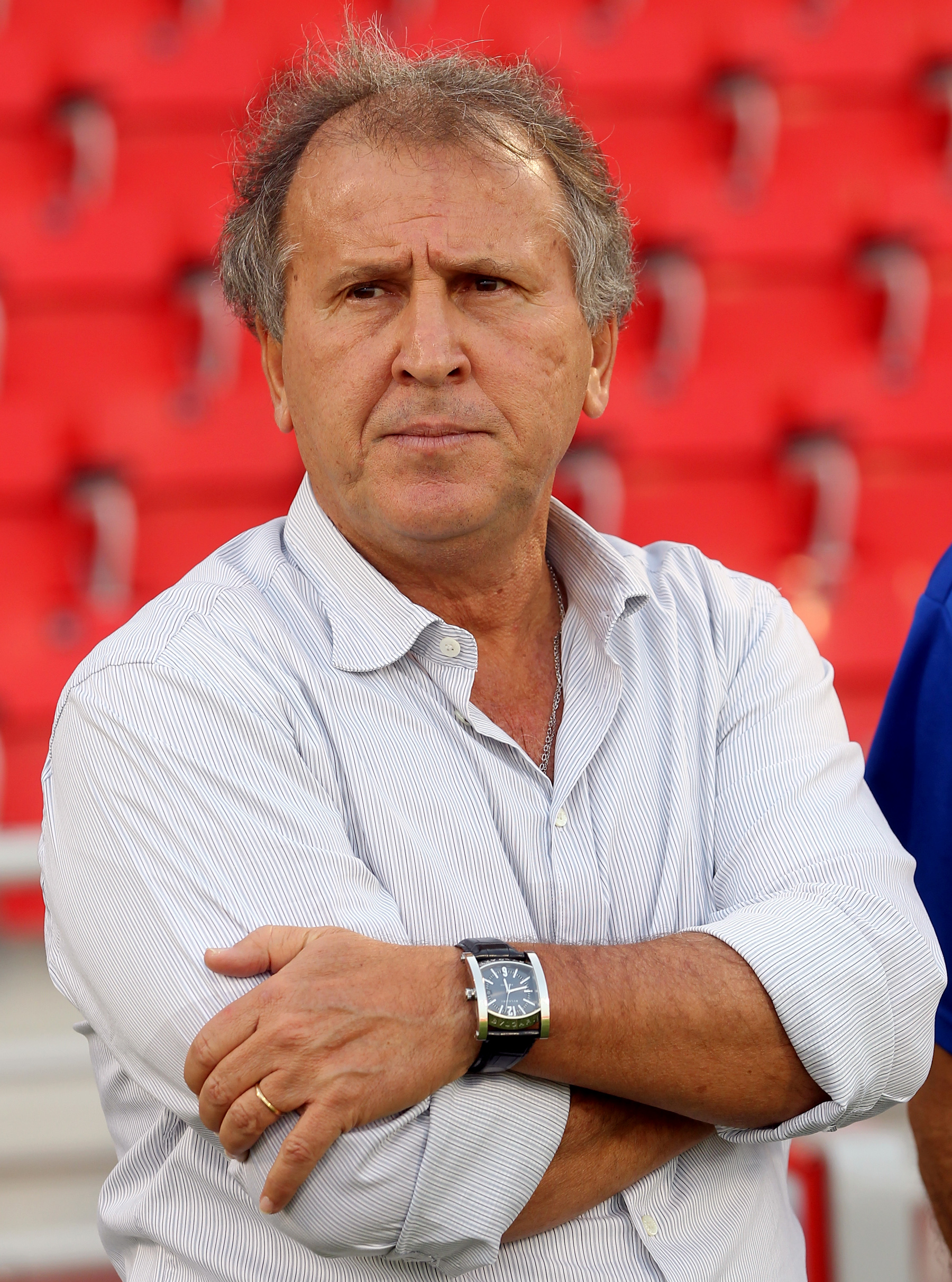
When Japanese football officials decided to build a professional league, they needed a signal. They needed a name that would tell the world - and Japan itself - that this project was serious. They got Zico.
Zico (real name Artur Antunes Coimbra) was, at various points in the early 1980s, considered the best player in the world. In Brazil he is simply called "O Galinho" (The Little Rooster) and compared in the same breath as Pelé. His numbers at Flamengo are extraordinary: 333 goals in 499 games, four Brazilian league titles, one Copa Libertadores. He was voted South American Footballer of the Year three times.
The remarkable thing about Zico's career is that despite all of this, he never won a World Cup. Brazil's 1982 team - often called one of the greatest sides never to win the tournament - was eliminated in the second round by Italy. Zico was their creative genius and their talisman. That unfinished story is part of what drove him toward new challenges.
In 1991, Zico signed for Sumitomo Metals (住友金属工業, Sumitomo Kinzoku Kogyo), a Japanese corporate football club based in Kashima, Ibaraki prefecture. This was two full years before the J.League officially started. The league organizers worked around his arrival - his presence was that important to the whole project.
He did not just play. He trained youth players. He introduced Brazilian training methods. He raised the standard of what everyone around him thought was possible. Former teammates and opponents have described him as transformative - not just as a footballer, but as a teacher.
The J.League: May 15, 1993
The date every Japanese football fan knows: 1993年5月15日 (sen kyuhyaku kyujusan nen gogatsu juugonichi) - May 15, 1993. The J.League (Jリーグ, J Riirugu) officially launched with a match between Verdy Kawasaki and Yokohama Marinos at National Stadium, Tokyo. 59,000 people attended.
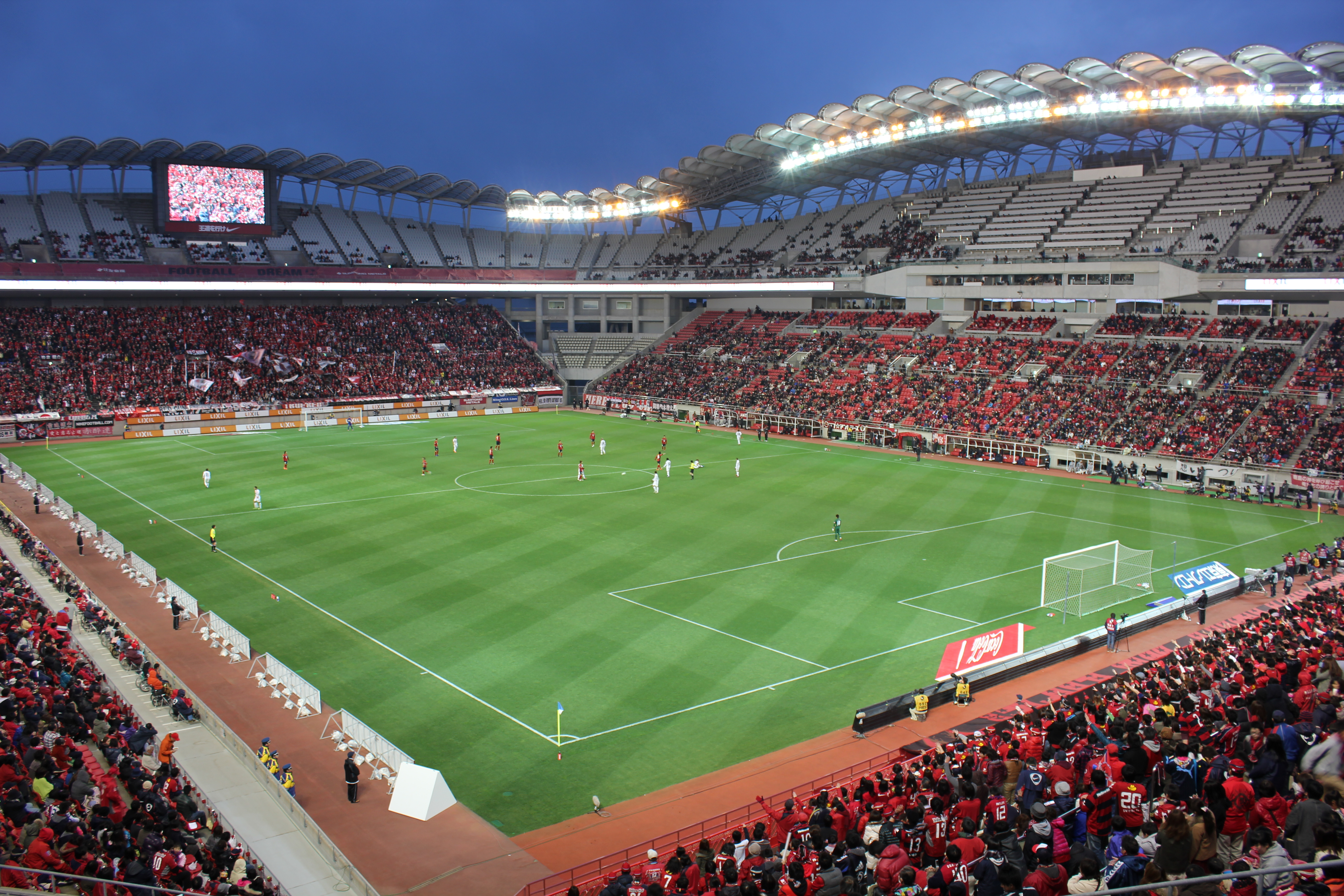
When the league launched, Sumitomo Metals became Kashima Antlers (鹿島アントラーズ, Kashima Antorazu), named after the deer (鹿, shika) sacred to the nearby Kashima Shrine. Zico was their centerpiece. The rebranding was not cosmetic - every corporate club transformed into a city club, representing a region rather than a company. This was the philosophical shift that made the whole thing work.
The 10 founding clubs and their corporate origins:
| Corporate Name | J.League Name | City |
|---|---|---|
| Sumitomo Metals | Kashima Antlers | Ibaraki |
| Yomiuri FC | Verdy Kawasaki | Tokyo/Kawasaki |
| Nissan FC | Yokohama Marinos | Yokohama |
| Mitsubishi Motors | Urawa Red Diamonds | Saitama |
| Panasonic | Gamba Osaka | Osaka |
| Toyota | Nagoya Grampus Eight | Nagoya |
| Mazda | Sanfrecce Hiroshima | Hiroshima |
| Shimizu FC | Shimizu S-Pulse | Shizuoka |
| Fujita | Bellmare Shonan | Kanagawa |
| NEC | Bellmare Hiratsuka | Kanagawa |
Urawa Red Diamonds would become one of the most passionate fanbases in all of Asia. Gamba Osaka would produce multiple Japan national team players. Kashima Antlers, built around Zico's influence, went on to win the J.League title more times than any other club - 8 times as of 2023.
Zico himself became so embedded in Japanese football culture that he returned as coach of the Japan National Team (日本代表, Nihon Daihyo) from 2002 to 2006, taking the Samurai Blue to the 2006 World Cup in Germany.
From Tsubasa to the World Cup
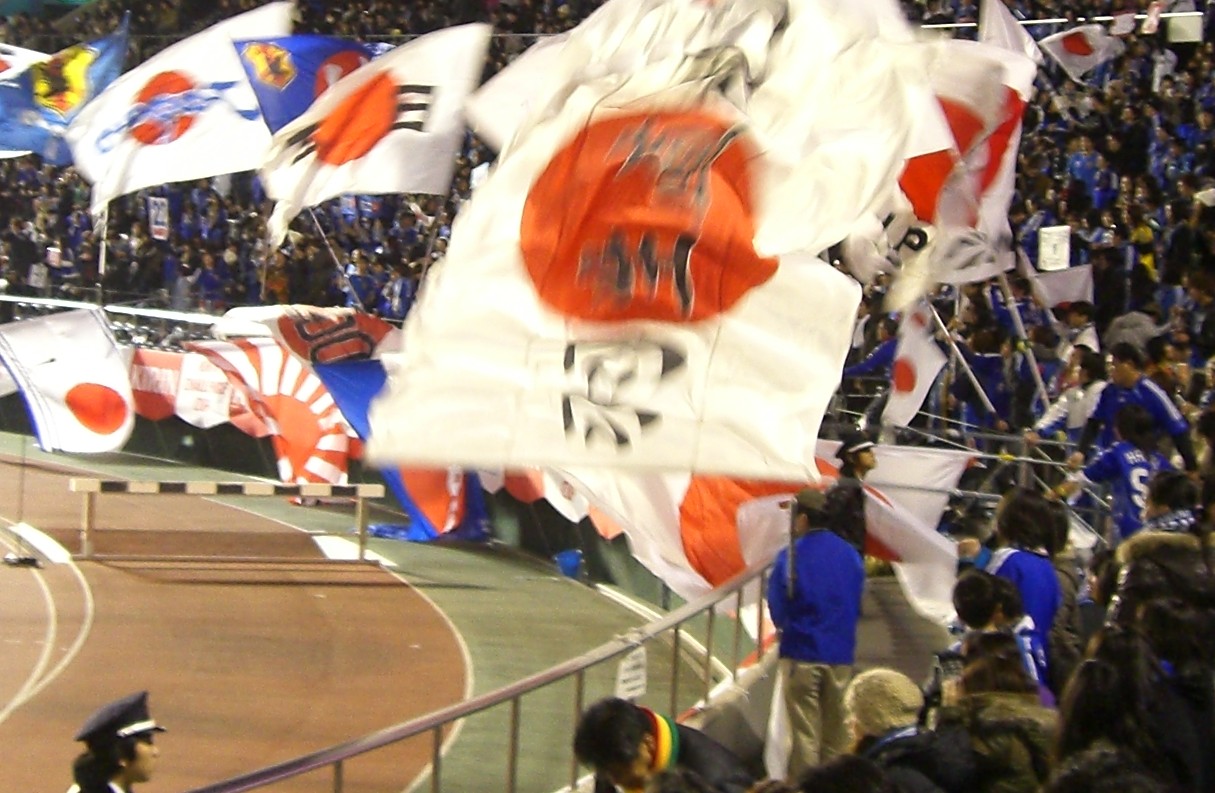
The circle closed in 1998 when Japan qualified for the FIFA World Cup (FIFAワールドカップ, FIFA Waarudo Kappu) for the first time in history. A generation that had grown up reading Captain Tsubasa had become real professional footballers and carried the national team to France.
Hidetoshi Nakata (中田英寿, Nakata Hidetoshi) became Japan's most internationally famous player, moving to AS Roma and Parma in Serie A at a time when only elite foreign players made it to Italian football. He has said directly that Captain Tsubasa is why he started playing.
The pipeline has never stopped. Japanese players now move to Europe regularly. The national team has beaten Germany and Spain at recent World Cups. Teenage Japanese forwards play in the Bundesliga. None of it happens without the manga that imagined it all first, and none of it happens without a Brazilian in his thirties arriving at a steel company in Ibaraki and deciding to show Japan how football was really supposed to feel.
Vocabulary - Soccer Japanese
This is where anime fans become Japanese learners. Soccer vocabulary in Japanese splits into two categories: katakana loanwords borrowed directly from English/Portuguese, and traditional Japanese words for competition, players, and effort. Learn both and you can follow any match commentary or post-game interview.
| Kanji / Katakana | Romaji | Meaning |
|---|---|---|
| サッカー | sakkaa | soccer / football |
| ボール | booru | ball |
| ゴール | gooru | goal |
| シュート | shuuto | shot on goal |
| パス | pasu | pass |
| ドリブル | doriburu | dribble |
| キック | kikku | kick |
| スタジアム | sutajiamu | stadium |
| サポーター | sapootaa | supporter / fan |
| ライバル | raibaru | rival |
| チーム | chiimu | team |
| キーパー | kiipaa | goalkeeper |
| フォワード | fowaado | forward |
| ミッドフィールダー | middofiirudaa | midfielder |
| ディフェンダー | difendaa | defender |
| 選手 | senshu | player |
| 試合 | shiai | match / game |
| 応援 | ouen | cheering / support |
| 練習 | renshuu | practice / training |
| 仲間 | nakama | teammate / comrade |
| 天才 | tensai | genius |
| 夢 | yume | dream |
| 勝つ | katsu | to win |
| 負ける | makeru | to lose |
| 蹴る | keru | to kick |
| 走る | hashiru | to run |
| 翼 | tsubasa | wing (also Tsubasa's given name) |
| 大空 | oozora | big sky (Tsubasa's family name) |
| 日本代表 | Nihon Daihyo | Japan national team |
| Jリーグ | J Riirugu | J.League |
| 外国人選手 | gaikokujin senshu | foreign player |
| 野球 | yakyuu | baseball |
| ボールは友達 | booru wa tomodachi | the ball is my friend |
| 開幕 | kaimaku | opening / launch (of a league season) |
| 得点 | tokuten | score / points |
| 失点 | shitten | conceded goal |
| 決勝 | kessho | final (decisive match) |
| 延長戦 | enchousen | extra time |
| PK戦 | pii kee sen | penalty shootout |
Quick Pattern: Match Commentary
When you watch a Japanese football broadcast, you will hear these phrases constantly:
- シュートを打つ (shuuto wo utsu) - to take a shot
- ゴールを決める (gooru wo kimeru) - to score a goal
- パスを出す (pasu wo dasu) - to play a pass
- 選手交代 (senshu koutai) - player substitution
- 前半 (zenhan) - first half
- 後半 (kouhan) - second half
- 引き分け (hikiwake) - draw
- 勝利 (shouri) - victory
- 敗北 (haiboku) - defeat
The kanji that unlock sports broadcasts are consistent across every match. 試合 (shiai) means match or game. 試 means test or try, 合 means to come together, making it literally a testing-together. 選手 (senshu) means player or athlete. 選 means to choose, 手 means hand, so a player is a chosen hand. 得点 (tokuten) means score or points scored. 得 means to gain, 点 means point. And 仲間 (nakama) means teammate or comrade. The same word One Piece's Luffy uses for his crew, carrying far more emotional weight than simply "friend."
Why This Matters for Your Japanese
Soccer is everywhere in Japanese life now - broadcast on national TV, analyzed in every newspaper, exploding on social media during major tournaments. When Japan beats Germany at a World Cup, Japanese Twitter becomes a wall of soccer vocabulary. If you can read it, you are suddenly connected to one of the most visceral shared cultural moments Japan has.
ボールは友達 (booru wa tomodachi) — booru means ball, tomodachi (友達) means friend — is the most famous phrase from Captain Tsubasa and is still alive in Japanese sports media. Yoichi Takahashi has relaunched the series multiple times; the phrase shows up in current interviews and commentary whenever Japanese football reaches a cultural moment.
The vocabulary table above covers what you need to understand match broadcasts and sports journalism. For hearing these words in natural context - set to music, with furigana and breakdown - check the song library where sports-themed tracks appear regularly. The Journal also has other articles on Japanese culture hidden in franchises you already know.
Start with 試合 (shiai, match), 選手 (senshu, player), and 得点 (tokuten, score). Those three words will unlock the structure of any sports broadcast. Add ボールは友達 to your active vocabulary and you have a piece of Japanese culture that connects 1981 manga to today's World Cup campaigns.
FAQ
What is Captain Tsubasa about?
Captain Tsubasa (キャプテン翼, Kyaputen Tsubasa) is a manga and anime series by Yoichi Takahashi, first published in Weekly Shonen Jump in 1981. It follows Tsubasa Ozora, a boy obsessed with soccer, from youth football in Japan through international competition. It is widely credited as the series that made Japanese children fall in love with the sport.
Is Captain Tsubasa the reason Japanese people love soccer?
Yes, widely credited so. Multiple Japanese football stars including Hidetoshi Nakata have cited Captain Tsubasa as the reason they started playing. The series launched 12 years before the J.League existed, effectively creating a generation of fans before the professional league was even founded.
What teams appear in Captain Tsubasa?
The main teams are fictional youth clubs: Nankatsu SC (Tsubasa's home team), Musashi FC (rival Hyuga's team), Shutetsu FC, and Toho Academy (Hyuga's high school club). None are real clubs - they are invented for the story but set in recognizable Japanese cities and regions.
Are the international players in Captain Tsubasa based on real footballers?
Yes. Karl Heinz Schneider is clearly based on Karl-Heinz Rummenigge (West Germany), Pierre is based on Michel Platini (France), and various Brazilian and Italian characters reference real players from the 1980s. Yoichi Takahashi never officially confirmed these inspirations, but the references are unmistakable to anyone who watched football in that era.
Who is Zico and why is he important to Japanese football?
Zico (real name Artur Antunes Coimbra) is a Brazilian legend and one of the greatest footballers of all time. He signed for Sumitomo Metals (later renamed Kashima Antlers) in 1991, two years before the J.League launched. His presence helped establish the league's credibility. He later coached the Japan national team from 2002 to 2006.
When did the J.League start?
The J.League officially launched on May 15, 1993. The opening match was between Verdy Kawasaki and Yokohama Marinos at National Stadium in Tokyo, attended by 59,000 fans. Japanese football fans still celebrate this date as the birthday of professional football in Japan.
What does ボールは友達 (booru wa tomodachi) mean?
It means "The ball is my friend" and is the motto of Captain Tsubasa's protagonist Tsubasa Ozora. It became a genuine cultural phrase in Japan representing the philosophy of joyful, natural football. Many real Japanese players reference it even today.